-
Elected members: Biannual review of personal interests that may create a potential conflict with their role – as at January 2021
This is a summary of the elected members’ biannual review of their personal interests that may potentially intersect with their responsibilities.
alarm Published 30 Aug 2021 -
Elected members’ biannual review of personal interests that may create a potential conflict with their role – as at 01 October 2020
This is a summary of the elected member’s biannual review of their personal interests that may potentially intersect with their responsibilities.
alarm Published 30 Aug 2021 -
Revised Conditions (GWRC)
This document contains the recommended conditions of consent for WGN190198, as prepared by the Greater Wellington Regional Council.
alarm Published 27 Aug 2021 -
Revised Conditions Tracked Changes (NCI Packaging)
This document contains the tracked changes from the revised conditions report prepared by NCI Packaging New Zealand Limited.
alarm Published 27 Aug 2021 -
-
Greater Wellington's approach to the proactive release of information
This document outlines how Greater Wellington promotes good governance and encourages transparency in decision-making through increasing the availability of its information to the community. This includes making available responses to…
alarm Published 27 Aug 2021 -
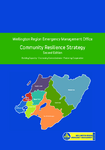
Wellington Region Emergency Management Office Community Resilience Strategy
Resilient communities are able to plan for, respond to and thrive after a disastrous event. At the heart of a resilient community is a robust set of social networks which…
alarm Published 26 Aug 2021 -
Civil Defence Emergency Management Extraordinary Meeting 27 August 2021 order paper
alarm Published 25 Aug 2021 -
Minutes & Directions of Hearing Commissioners #3
This document contains the minutes and directions of the third Hearing meeting by Commissioners John Iseli and Thomas Nash.
There is no digital version of this document available, but you can get in touch with publications@gw.govt.nz to get a copy of the document.
alarm Published 20 Aug 2021 -
Wastewater Network Condition and Overflows by Subcatchment
PREPARED BY: GWRC Project Team
alarm Published 17 Aug 2021