Background
Constructed in 1988, the current Waterloo Station is one of the busiest train stations in the Wellington region. Though the structure has stood the test of time, several elements are due for replacement in the coming years. Through investigation it was deemed that suggested that the Waterloo precinct would benefit from significant broader urban development outcomes through a Transit-Oriented Development (TOD) project, which focuses on developing the area in and around the station to promote economic growth and connectivity.
The station is in a mainly residential area some distance from Hutt City CBD, and near to the ‘character village’ of Waterloo, which connects to the station precinct by subway.
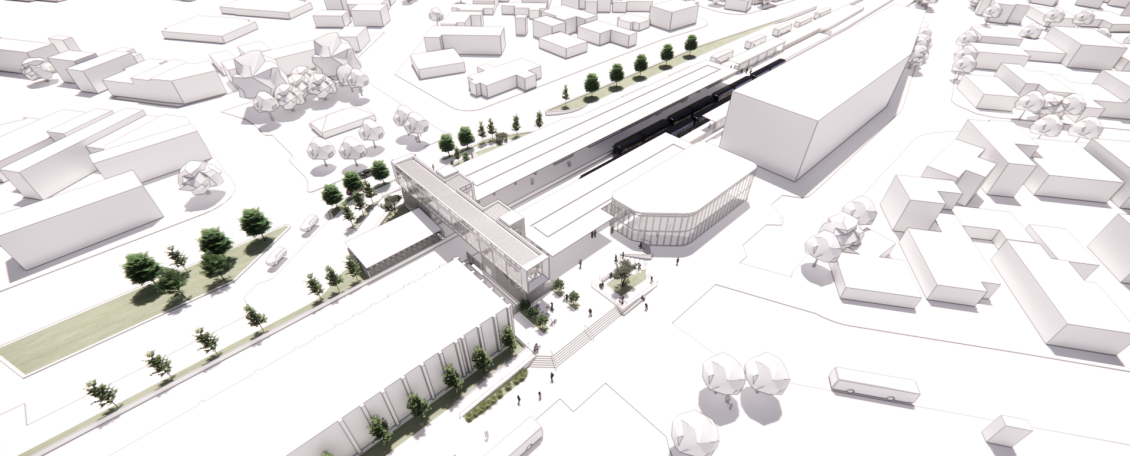
The station site and buildings are relatively complex, and the precinct covers a substantial parcel of real estate in the central Hutt Valley. Waterloo Station was originally designed to be a multi-purpose transport hub. Central to much of Lower Hutt, Waterloo has significant park and ride provision (779 car parks), bike and ride (79 storage spaces), pedestrian subways and overbridges, arterial roads and integrated bus connections.
Land holdings in the station precinct are held by Greater Wellington, KiwiRail and Hutt City Council.
The need to address infrastructure issues in the next 5-7 years, and make better use of prime land, is an ideal opportunity to prioritise Waterloo Redevelopment from a TOD perspective.
Purpose
Direction
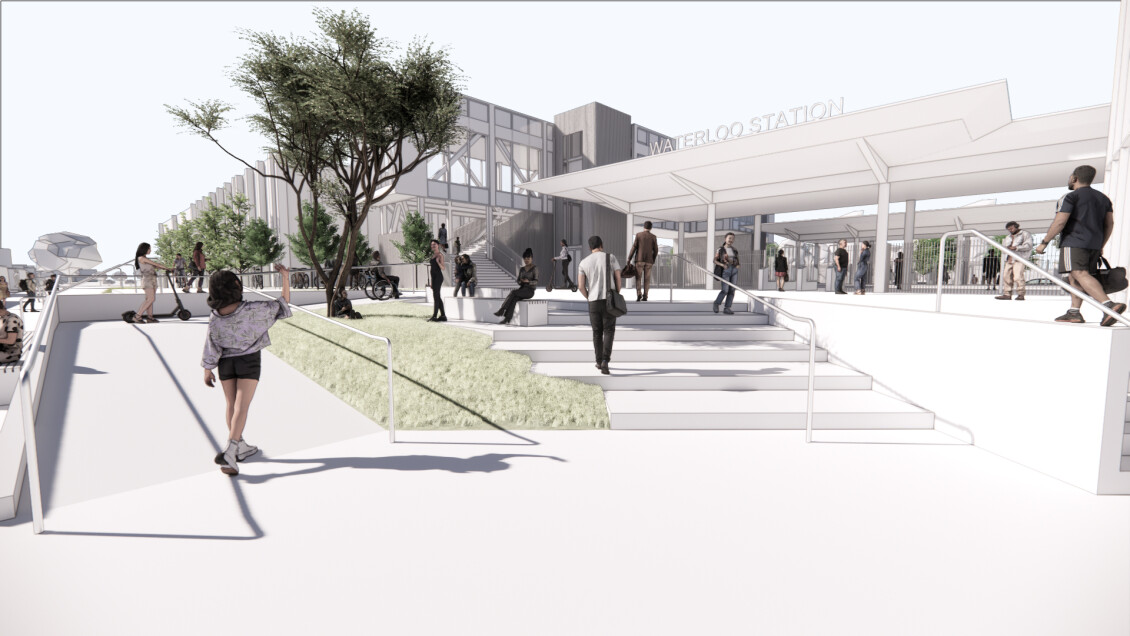
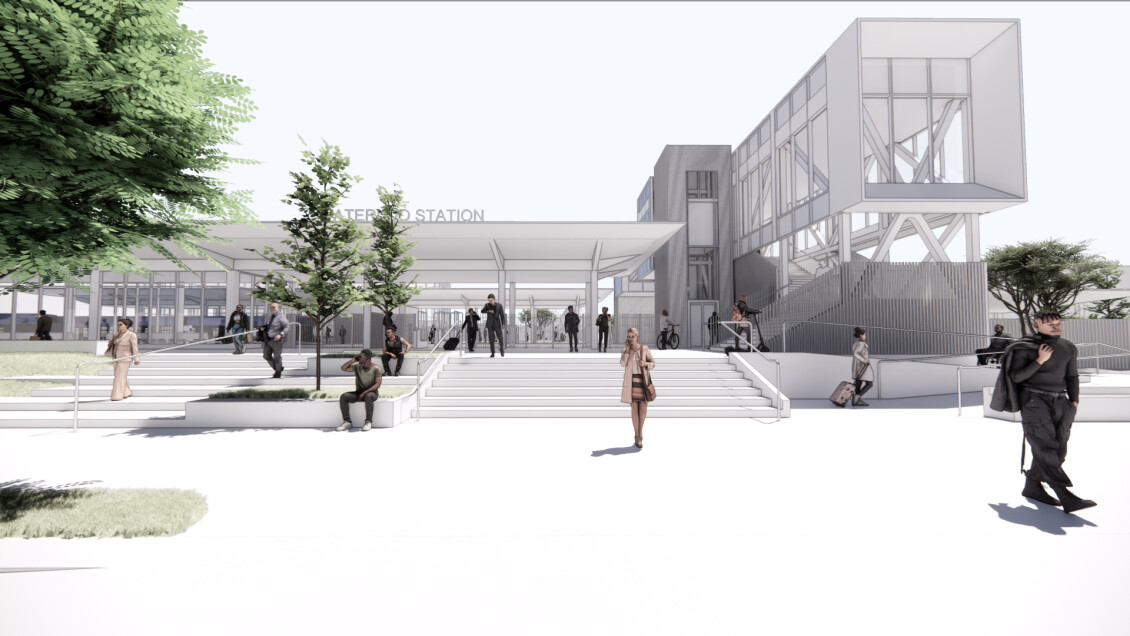
To achieve these goals Greater Wellington has undergone a series of options analysis and has arrived at a design that best suits the needs of the station and the surrounding area.
The key elements of the new design are:
Milestones
Greater Wellington has broken down the project so far into 4 key phases. These phases are as follows:
In May 2022 Waterloo TOD was given Complex Development Opportunity (CDO) status under the Wellington Regional Leadership Committee (WRLC). The Waterloo TOD is one of seven CDOs in the Wellington region. CDOs were later renamed Priority Development Areas (PDAs) by the WRLC.
PDA status formalises partnership for the project between central and local government, enables collective planning, decision making, problem solving and issue resolution and risk mitigation, and enhances the ability to access central government resources.